
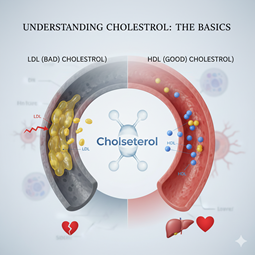
Understanding Cholesterol: The Basics
Cholesterol is a fatty, wax-like substance that is found in all the cells of the human body. It plays a vital role in various bodily functions, including the production of hormones, vitamin D, and bile acids that aid in digestion.
It is also important to understand different types of cholesterol. The two main types of cholesterol are low-density lipoprotein (LDL) cholesterol and high-density lipoprotein (HDL) cholesterol.
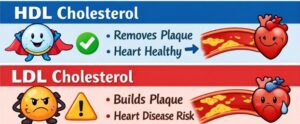
LDL cholesterol, also known as “bad cholesterol”, carries cholesterol to cells throughout the body. But it can also build up in the arteries, creating hinderance to carry blood to your heart and other body parts which increases the risk of heart diseases.
HDL cholesterol, often called “good cholesterol”, helps remove LDL cholesterol from the bloodstream and arteries and takes it back to the liver to be broken down into smaller components and eliminated from the body. High HDL cholesterol levels can help in lowering the risk of heart disease.
Recognizing Cholesterol Symptoms: A Comprehensive Guide
High cholesterol does not produce any symptoms which doctors can detect at first glance. Regular cholesterol tests have essential value because they help detect hidden cases of high cholesterol. The human body shows particular symptoms which indicate that a person has developed high cholesterol conditions. The comprehensive guide provides all necessary information people need to identify cholesterol-related medical issues.
Chest Pain 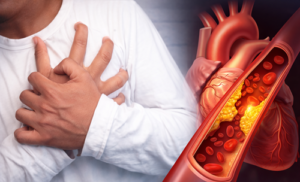
The presence of chest pain or discomfort which people refer to as angina serves as a potential indicator that high cholesterol levels exist. Chest pain develops when cholesterol accumulates in arteries which leads to decreased blood flow toward the heart.
Yellowish Deposits on the Skin
High cholesterol causes xanthomas, which appear as yellowish skin deposits that develop on the surface of the skin. These deposits develop as wax-like substances which materialize beneath the surface of the skin. People who have high cholesterol show these symptoms on the tendons which extend from their hands and feet and elbows and knees.
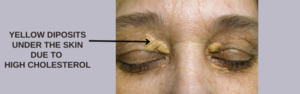
The common signs which indicate high cholesterol develop when people show these symptoms, which doctors must use to assess their physical condition. The signs show two different health problems which require proper medical assessment for diagnosis purposes.
Monitoring Cholesterol Levels: Why It’s Important
The regular assessment of cholesterol levels is necessary to detect any health risks which could lead to heart and skin diseases. The process of monitoring your cholesterol levels will enable you to achieve two outcomes.
The first outcome enables you to find health dangers through the process of examining your cholesterol levels. The second outcome allows medical professionals to determine appropriate treatments through the process of examining your HDL cholesterol levels. The process may include lifestyle modifications, medication, or both. The process of identifying high cholesterol levels enables us to create lifestyle initiatives which will help us reduce both cholesterol levels and the health risks that come with elevated HDL cholesterol levels. The process of monitoring cholesterol levels needs to happen regularly because cholesterol levels experience natural fluctuations throughout the day.
Cholesterol Test: How It Works and What to Expect
A cholesterol test, also known as a lipid profile test, measures various types of cholesterol present in the blood. The procedure includes simple blood test which requires a healthcare provider to take a blood sample before sending the sample to a laboratory for cholesterol level analysis.
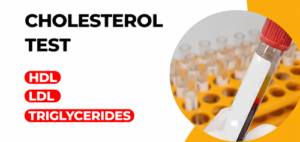
The results of the cholesterol test will provide information about your total cholesterol, LDL cholesterol, HDL cholesterol, and triglyceride levels. Total cholesterol is the sum of LDL cholesterol, HDL cholesterol, and 20% of your triglyceride level.
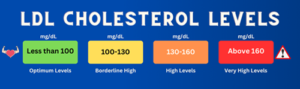
The amount of LDL cholesterol in our bloodstream shows how much cholesterol exists in our body cells. Excess of LDL cholesterol can leads to build-up in heart arteries resulting in blockage.
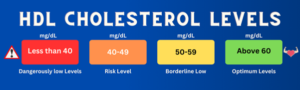
HDL cholesterol is the high density cholesterol that helps moving LDL cholesterol from cells and arteries to your liver. High HDL levels are necessary because they support heart health and skin vitality.
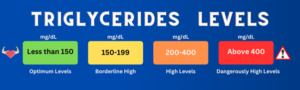 Triglycerides level in blood indicates the amount of unused calories your body have. People can learn about our daily habits through this method. People who have high triglycerides levels show that they consume more calories than their body needs. This leads to deposition of fat in arteries.
The Effect of Cholesterol on the Heart: Exploring the Link
High LDL cholesterol levels lead to the development of a waxy substance which builds up in arteries. This condition causes arteries to undergo narrowing and hardening processes throughout the years. The medical term for this condition which causes blood vessels to narrow is atherosclerosis. The condition obstructs blood flow to the heart which results in multiple cardiovascular diseases.
People need to adopt a healthy diet which helps increase their HDL levels while they maintain their current calorie consumption to reduce the cardiovascular risks associated with high cholesterol.
The Impact of Cholesterol on Liver Health: What You Should Know
As blood cholesterol levels rise, liver cells begin to accumulate excess fat which results in the development of fatty liver disease. The condition can lead to liver damage which may result in various health complications.
People need to establish healthy dietary patterns and physical activity routines while controlling their cholesterol levels so they can maintain optimal liver function. People need to follow a balanced diet which they should combine with regular exercise while keeping their alcohol intake at safe levels. The adoption of these lifestyle modifications will result in benefits for both liver function and general health.
Statins for High Cholesterol: Separating Fact from Fiction
Doctors frequently prescribe statins as medication which effectively reduces LDL cholesterol levels in patients. The medication contains active components which block an enzyme that the liver uses to create cholesterol. The existing misconceptions and myths about statins require clarification because they exist as major misconceptions.
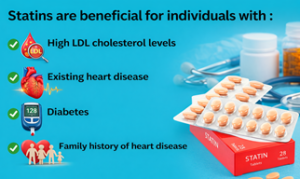
The Potential Benefits of Statin Therapy
Statins can help lower LDL cholesterols and hence decreasing the plaque build up in heart arteries.
The most common side effects of statins include:
- Muscle aches or weakness
- Headaches
- Stomach upset
Statins usually do not cause serious side effects but their excessive use can result in liver damage and higher chances of developing diabetes.
Important Note: It is important to never stop taking statins without consulting your healthcare provider. Your cholesterol levels and cardiovascular health will suffer if you stop taking statins without medical guidance.
Cholesterol and Nuts: Exploring the Nutritional Impact
Nuts, which include almonds and pistachios and hazelnuts and macadamias and brazil nuts and walnuts, have the ability to control cholesterol levels. The nuts provide healthy fats that increase high-density lipoprotein (HDL) cholesterol levels which functions to eliminate low-density lipoprotein (LDL) cholesterol from the body, thereby decreasing the likelihood of heart disease.
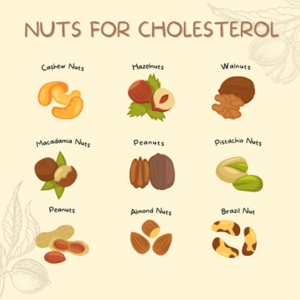
- Almonds, for example, contain high amounts of monounsaturated fats, which research shows will increase HDL cholesterol levels. The scientific research demonstrates that including almonds in a balanced diet will help improve cholesterol levels.
- Walnuts provide an excellent option for people who need to follow a diet that supports their cholesterol levels. The food contains high amounts of polyunsaturated fats which contain omega-3 fatty acids that scientists have identified as reducing LDL cholesterol levels and enhancing cardiovascular health.
Nuts contain high calories which creates the need for people to limit their nut consumption because it leads to excessive calorie consumption. The recommended daily nut portion size for health benefits is 1.5 ounces, which equals a small handful of nuts.
You can easily add nuts to your diet by eating them in their natural state or using them as an ingredient in your preferred recipes. People can use nuts as salad toppings, smoothie ingredients, or yogurt and oatmeal toppings. You should experiment with different ideas to create tasty snacks that promote heart health while providing essential nutrients.
Exercise for Lowering Cholesterol: Effective Strategies and Tips
People who engage in consistent exercise can achieve better control over their cholesterol levels. The following list presents effective methods and advice for including physical activity into your daily schedule.
Choose aerobic exercises: Brisk walking and jogging and swimming and cycling belong to the category of aerobic exercises which help to reduce LDL cholesterol and increase HDL cholesterol in the body.
Start slow and gradually increase intensity: Beginners who start exercising should begin with exercises that have low physical demands before they proceed to more challenging exercises that last longer.
Include strength training: Strength training exercises which include weightlifting and bodyweight exercises help people develop muscle strength while enhancing their cholesterol management abilities.
Make it a habit: People should complete 150 minutes of moderate-intensity aerobic exercise or 75 minutes of vigorous-intensity aerobic exercise each week. The benefits depend on maintaining consistent practice.
People with existing health problems should consult their healthcare provider before starting new exercise programs to determine which activities will be safe for them.
Worst Foods for High Cholesterol: What to Avoid
Some food can directly increase your LDL cholesterol results in severe heart and liver issues. Therefore, certain foods should be avoided or consumed in moderation.
- Fried Foods: Foods that are deep-fried or cooked in unhealthy oils are high in saturated and trans fats. These fats can raise LDL cholesterol levels, so it’s best to limit your consumption of fried foods like french fries, fried chicken, and onion rings.
- Processed Snacks: Many processed snacks, such as chips, cookies, and crackers, are often loaded with unhealthy fats and added sugars. These snacks can raise LDL cholesterol levels and promote weight gain, which can further contribute to heart disease risk.
- Fatty Meats: Fatty meats like bacon, sausage, and high-fat cuts of red meat are sources of saturated fats that can raise LDL cholesterol levels. Opt for lean cuts of meat and remove visible fat before cooking to reduce your saturated fat intake.
- Butter and Full-Fat Dairy Products : Butter, cream, and full-fat dairy products like whole milk and cheese are high in saturated fats. These fats can increase LDL cholesterol levels, so consider choosing low-fat or skim versions of dairy products or using healthier alternatives like olive oil or avocado.
- Baked Goods : Baked goods such as pastries, muffins, and cakes often contain unhealthy fats and added sugars. These foods can raise LDL cholesterol levels and contribute to weight gain. Opt for healthier alternatives like homemade baked goods using whole wheat flour, and reduce the amount of added sugar.
- Fast Foods: Fast foods like burgers, fried chicken sandwiches, and hot dogs are typically high in saturated and trans fats. These fats can raise LDL cholesterol levels and contribute to heart disease risk. Limit your intake of fast foods and choose healthier options whenever possible.
The Role of Cholesterol and Alcohol: Debunking the Myths
- Myth 1 : Alcohol consumption benefits cholesterol levels.
Research shows that alcohol consumption has no impact on cholesterol levels. The risks associated with alcohol use exceed its potential advantages. People should not begin drinking alcohol because of its supposed benefits for their cholesterol levels. - Myth 2: Red wine improves cholesterol levels.
Red wine do contains certain antioxidants like resveratrol but the benefits of such antioxidants can also be obtained from other sources, such as grapes, blueberries, and certain nuts. The specific type of alcohol (e.g., red wine) isn’t the only way to gain these antioxidants. - Myth 3: Alcohol consumption does not affect cholesterol medications.
The combination of alcohol and certain cholesterol medication leads to negative outcomes because it decreases medication effectiveness. Therefore, it is highly crucial that alcohol and medications should not be mixed together. - Myth 4: Alcohol consumption helps people manage their stress and cholesterol levels.
Alcohol provides people with short-term stress relief but it does not serve as a healthy solution for extended periods.
Lifestyle Changes and Diet to Improve Cholesterol: Practical Tips
People need to make significant changes to their daily routines and choose healthy foods to maintain their cholesterol levels. The following practical tips will assist you in raising your cholesterol levels:
- Incorporate more fruits and vegetables
You should fill your plate with various fruits and vegetables that contain high levels of fiber and antioxidants. These nutrients can help lower LDL cholesterol levels and improve heart health.
- Choose whole grains
People should select whole grains which include brown rice and whole wheat bread and quinoa as their preferred option over refined grains. Whole grains contain more fiber, which can help reduce cholesterol levels.
- Include lean proteins
People should select lean protein sources which include skinless chicken and fish and tofu and legumes. These options contain lower saturated fat content, which helps people maintain their cholesterol levels.
- Limit saturated and trans fats
People should avoid foods that contain high levels of saturated and trans fats, which include fatty cuts of meat and full-fat dairy products and fried foods. These fats raise LDL cholesterol levels, which increases the likelihood of developing heart disease.
- Opt for healthy fats
You should add foods which contain healthy fats to your meals which should include avocados and olive oil and nuts. The fats in this product will increase your HDL cholesterol levels while they help maintain your cardiovascular system.
- Increase fiber intake
You should consume more foods which contain fiber such as legumes and whole grains and fruits and vegetables. The body uses fiber to decrease LDL cholesterol levels while it enhances digestive system function.
- Limit processed foods
People should stay away from processed snacks and fast food and packaged meals because these products contain high levels of trans fats and sodium and added sugars. These foods will decrease your cholesterol levels and harm your overall health.
- Watch your alcohol intake
Excessive alcohol consumption results in increased triglyceride levels which heightens the possibility of developing high cholesterol. People who choose to drink alcohol should consume one drink daily for women and two drinks daily for men.
- Quit smoking
Smoking causes blood vessel damage which results in decreased HDL cholesterol levels. Smoking cessation leads to better cholesterol levels and improved cardiovascular system health.
- Manage stress
Chronic stress leads to higher cholesterol levels which increase the chances of developing heart disease. You should use stress-management techniques which include meditation and yoga and your personal hobbies to achieve stress reduction and total health improvement.
Conclusion
Maintaining healthy cholesterol levels is necessary for good health and for decreasing heart disease risk. The initial step for achieving proper cholesterol management requires people to learn about cholesterol types and their impacts on human physiology. The process of regular monitoring establishes the foundation for discovering potential health dangers which will determine suitable medical treatments.
The practice of healthy living through proper nutrition and exercise can effectively decrease LDL cholesterol while increasing HDL cholesterol levels. The inclusion of nuts in your meals combined with aerobic workouts and the elimination of foods containing high levels of saturated and trans fats represent successful methods for cholesterol management.
Through these changes and the adoption of healthy habits people can enhance their cholesterol levels together with their overall heart health. The process of cholesterol management requires people to take active measures which will benefit their health in the future.
Frequently Asked Questions (FAQs):
- What is the normal range of cholesterol ?
The normal cholesterol range serves as a protective factor against heart disease and multiple cardiovascular disorders. The optimal total cholesterol level requires a measurement below 200 mg/dL. LDL cholesterol known as “bad cholesterol” should remain below 100 mg/dL because elevated levels result in arterial plaque accumulation. HDL cholesterol which people refer to as “good cholesterol” needs to reach 40 mg/dL for men and 50 mg/dL for women because it helps transport excess cholesterol out of the bloodstream. The normal range for triglycerides which represent another form of blood fat should stay below 150 mg/dL. People need to sustain these required levels through balanced nutrition combined with regular physical activity and their commitment to maintaining healthy lifestyle practices.
2. How to test if you have high cholesterol ?
The process of diagnosing high cholesterol requires patients to undergo a blood test which medical professionals call a lipid profile or lipid panel. This test shows the total amount of cholesterol in the body along with measurements for LDL cholesterol, HDL cholesterol, and triglycerides. The test requires patients to fast for 9 to 12 hours because food consumption causes temporary increases in cholesterol levels. A healthcare provider may recommend this test during routine checkups or if you have risk factors such as obesity, diabetes, smoking, or a family history of heart disease. The absence of visible symptoms for high cholesterol makes regular testing the only effective method to discover the condition at an early stage. The early diagnosis process enables patients to make timely lifestyle changes while receiving medical treatment which helps them avoid severe health problems that lead to heart attacks and strokes.
3. What are the symptoms of high cholesterol ?
High cholesterol is often called a “silent condition” because it usually does not cause noticeable symptoms. Most people are unaware they have high cholesterol until it is detected through a blood test or leads to serious health problems. Untreated high cholesterol develops into artery plaque build-up which results in chest pain and shortness of breath and fatigue during physical activity. The condition can result in heart attack or stroke when it reaches its most extreme stage. Some people may develop visible signs like xanthomas, which are fatty deposits under the skin, or a grayish ring around the eyes known as corneal arcus. Regular cholesterol testing should be done because symptoms do not show up until late in the disease.
4. What happens if cholesterol is high?
When high cholesterol levels persist for extended periods, the body starts to build up excess LDL cholesterol which attaches to artery walls and creates plaque buildup. Atherosclerosis is the medical condition which causes arteries to become both narrower and harder, thus hindering blood flow to important body organs. The heart experiences two dangerous effects from reduced blood flow: it causes chest pain, and it increases the likelihood of heart attacks to occur. High cholesterol levels increase the probability that people will develop both high blood pressure and peripheral artery disease. People who fail to control these health issues will experience major effects on their personal health and ability to live a long life. People can achieve their health goals by handling their cholesterol through dietary changes, physical activity, and medical treatment which helps them avoid serious health problems while maintaining their heart health during extended periods.
5. How can I reduce my cholesterol?
Cholesterol reduction needs people to follow multiple healthful lifestyle practices. The consumption of a diet which includes fruits and vegetables together with whole grains and nuts and healthy fats leads to natural LDL cholesterol reduction. It is necessary to control both saturated and trans fats which exist in fried foods and processed foods. The practice of regular physical exercise which includes brisk walking and cycling for 30 minutes on most days will increase HDL cholesterol levels. People achieve better cholesterol levels through three methods which include maintaining a healthy weight and quitting smoking and managing their stress. Doctors use statins as a prescription medication when patients fail to achieve results from lifestyle changes. The process of effective cholesterol management requires people to maintain their healthy habits throughout their lives.
6. What foods cause high cholesterol?
High cholesterol levels result from the consumption of foods that contain both saturated and trans fatty acids. The list of these foods includes fried foods and fast food and processed snacks and baked goods and margarine that contains hydrogenated oils. Fatty cuts of red meat together with processed meats which include sausages and bacon and full-fat dairy products like butter and cheese all increase LDL cholesterol. The consumption of sugary foods together with refined carbohydrates leads to weight gain which results in insulin resistance that further harms cholesterol levels. People can achieve balanced cholesterol levels and better heart health by reducing these foods and choosing lean proteins plus nuts and seeds and fruits and vegetables as their replacements.
7. What is the best drink to lower cholesterol?
No single magic drink exists, but certain beverages can help maintain healthy cholesterol levels when paired with proper dietary choices. The antioxidant properties of green tea, which people commonly recognize, have the potential to decrease LDL cholesterol levels. Oat milk and other oat-based beverages contain beta-glucans, which function as cholesterol absorption inhibitors. Fresh vegetable juices made with beetroot, carrot, and leafy greens provide benefits for heart health. Drinking warm water with lemon helps to improve digestion while supporting metabolic processes. People should avoid consuming sugary beverages and drinking too much alcohol because both substances will disrupt their cholesterol levels. Drinking heart-healthy beverages on a daily basis will help people maintain better cholesterol levels throughout their lives.